Sex Therapy • Relationships • A More Fulfilling You

────────

The sex education you should have gotten.

I’m Lee-Anne Wine, MSW, RSW — a licensed psychotherapist and certified sex therapist helping individuals and couples understand what’s really happening beneath intimacy, desire, and relationship struggles.

More understanding.
More connection. A more you.

Lee-Anne Wine • MSW, RSW

Therapist • Educator • Speaker

Real conversations.
Lasting change. ♡

From @changeyourbrain

Watch + Learn

Let’s talk about all of it.

Short, real, and educational videos about sex, relationships, desire and more — without the shame.

Fresh reels, automatically. ♡

@changeyourbrain
Lee-Anne Wine | Sex Therapist

@changeyourbrain

The sex education you should have gotten. Licensed Psychotherapist | MSW, RSW Sexologist | Author
  • If every affectionate touch feels like it might become a request for sex, eventually even affection can start to feel stressful.

This is something I see often with couples.

One partner thinks:

“I’m just trying to be affectionate.”

The other partner is thinking:

“If I let this continue, am I going to have to say no again?”

And slowly, something really frustrating happens.

The lower-desire partner may begin avoiding kissing, cuddling, massages or physical affection altogether.

The higher-desire partner experiences that withdrawal as rejection.

So they may initiate more in an attempt to feel wanted.

Which creates even more pressure.

And now both people are hurting.

One feels pressured.

The other feels rejected.

Neither one necessarily understands what is happening.

A powerful way to interrupt that cycle is to intentionally bring back no-pressure touch.

Touch where both people genuinely know:

This does not have to go anywhere.

You can kiss without having sex.

You can cuddle without escalating.

You can give your partner a massage simply because you want them to feel good.

And ironically, removing the expectation of desire can sometimes create much more room for desire to emerge naturally.

Sometimes the bedroom doesn’t need more effort. It needs less pressure.

Save this one — and send it to your partner if this conversation sounds familiar. 

#SexTherapist #SexTherapy #Intimacy #ResponsiveDesire #MismatchedDesire
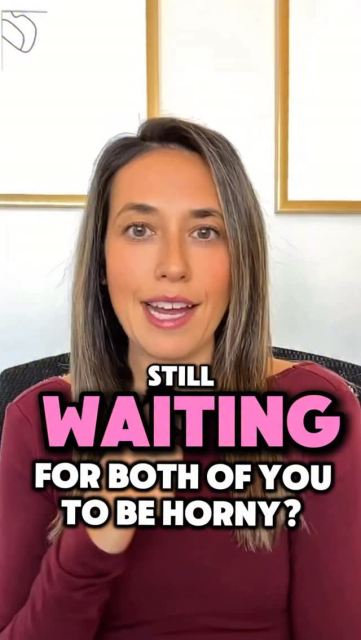
  • 🔥 I’ve talked to the men. I’ve talked to the women. Now BOTH of you need to hear this.

5 things couples often get wrong about sex:

1️⃣ Desire doesn’t always have to come first. 
2️⃣ Initiating shouldn’t always be one person’s job. 
3️⃣ Orgasm isn’t the only measure of good sex. 
4️⃣ More sex doesn’t automatically mean better intimacy. 
5️⃣ Your partner can’t read your mind.

Great sex isn’t something couples magically know how to have.

❤️ They keep learning each other.

💌 SEND this to your partner and ask: “Which one do WE need to work on?”

🔖 SAVE it for later. 
🔥 FOLLOW @leeannewine for better sex, better intimacy, and the sex education you should have gotten.

#SexTherapy #SexTherapist #SexEducation #BetterSex #Intimacy CouplesTherapy SexualWellness
  • 🔥 Different sex drives = sexually incompatible? Not so fast.

It’s completely normal for two people in a relationship to want sex at different frequencies.

The problem often isn’t the difference itself.

It’s what happens next:

One partner feels rejected.
The other feels pressured.

Instead of focusing on how often, try asking:

❤️“What helps each of us actually WANT intimacy?”

Better sex starts with understanding each other’s desire—not perfectly matching it.

💌 SEND this to your partner.
🔖 SAVE it for later.
🔥 FOLLOW @changeyourbrain for better sex, better intimacy, and the sex education you should have gotten.

#SexTherapy #SexTherapist #SexEducation #SexualDesire #Intimacy
  • 🔥 WOMEN: Think men are simple when it comes to sex? Think again.

He doesn’t always want sex.
He wants to feel desired too.
An erection doesn’t always mean desire.
Losing one doesn’t mean he’s lost attraction.
And sometimes he wants affection without it leading to sex.

Men’s sexuality is more complex than the stereotypes we’ve been taught.

Better sex starts when we stop assuming and start getting curious about the person we’re actually with.

💌 SEND this to your partner.
🔖 SAVE it for later.
🔥 FOLLOW @changeyourbrain for better sex, better intimacy, and the sex education you should have gotten.

#SexTherapy #SexTherapist #SexEducation #MensSexualHealth #SexualWellness
  • 🔥 Want better sex in your relationship? It might have less to do with what happens in the bedroom than you think.

Couples with satisfying sex lives tend to:

❤️ Talk about sex—even when nothing is wrong.
🔥 Flirt outside the bedroom.
✨ Keep things from becoming too predictable.
💋 Make room for affection without expecting sex.
👀 Stay curious about each other.

Because after 5, 10 or 20 years together, you’re both still changing.

Great sex isn’t about finding the perfect formula.

It’s about continuing to discover each other.

💌 SEND this to your partner.
🔖 SAVE it for later.
🔥 FOLLOW @changeyourbrain for better sex, better intimacy, and the sex education you should have gotten.

#SexTherapy #SexTherapist #SexEducation #BetterSex #CouplesTherapy
  • 🔥 MEN: Want better sex with your woman? Here are 5 things worth understanding about her desire.

1️⃣ Desire may not come first.
For many women, desire builds after connection and arousal begin.

2️⃣ Her brain comes into the bedroom.
Stress, exhaustion and mental load can make it harder to shift into desire.

3️⃣ Feeling wanted is different from being asked for sex.
Flirting, affection, attention and anticipation matter.

4️⃣ Wetness ≠ desire.
Lubrication can be affected by hormones, medications, stress and many other factors.

5️⃣ What turns her on can change.
Bodies, relationships and preferences evolve.

🔥 The takeaway? Stop assuming you already know. Stay curious about the woman you’re with NOW.

Ask her: “What makes you feel most desired?”

💌 SEND this to your partner.
🔖 SAVE it for later.
🔥 FOLLOW @changeyourbrain for better sex, better intimacy, and the sex education you should have gotten.

#SexTherapy #SexTherapist #SexEducation #SexualWellness #SexualDesire
  • 🔥 If affection has slowly disappeared from your relationship, the problem might NOT be that your partner doesn’t want to be close to you.

Sometimes they’re avoiding the expectation they think comes after the affection.

This is a dynamic I want more couples to understand.

It can start innocently:

A cuddle turns into an initiation.

A kiss becomes an attempt to have sex.

Getting into bed and spooning starts to mean, “Are we doing this tonight?”

And eventually, one partner can start thinking:

“If I cuddle them, they’re going to think I want sex.”

So they pull away from the cuddle.

They stop initiating kisses.

They create a little more distance in bed.

Not necessarily because they don’t want affection…

but because they don’t want to have to reject what they think might come next.

And unfortunately, the other partner may experience that withdrawal as:

“They don’t want me anymore.”

Now you have one person feeling pressured and another feeling rejected when BOTH of them may actually be craving more connection.

One thing that can help?

❤️ Bring back touch that has absolutely no agenda.

Kiss without escalating it.

Cuddle without expecting anything afterward.

Hold hands.

Give the back rub.

Lie together in bed.

Let affection exist simply because being close feels good.

And if it turns into something more because you BOTH want it? Great.

But it doesn’t have to.

Sometimes taking sex off the table for a moment is exactly what allows affectionate touch to feel safe and enjoyable again.

💌 SEND this to your partner and ask:

“Do we need more touch in our relationship that doesn’t have to lead anywhere?”

🔖 SAVE this post for your next relationship check-in.

🔥 FOLLOW @changeyourbrain for more conversations about sex and intimacy that couples need to be having.

#SexTherapy #SexTherapist #SexEducation #SexualWellness #Intimacy PhysicalAffection
  • If you think lube is only for people who “need it”… we need to talk. 👀💦

Lube can make sex feel more comfortable, more pleasurable, and simply better, whether your body produces plenty of natural lubrication or not.

🎥 Before you have sex again, watch my latest Reel. I’m breaking down why lubricant matters, why needing it says nothing about how turned on you are, and why adding it might make a much bigger difference to your sex life than you think. 😉

Go watch the Reel, then send it to the person you’d like to put this information to good use with. 😏

#SexualWellness #SexualHealth #SexEducation #SexTherapy #SexTherapist Intimacy IntimacyTips BetterSex
  • 💗 If you think lube is only for when you’re “dry,” we need to change that conversation.

Lube might be one of the most underrated tools for better sex.

It can make touch feel better, reduce uncomfortable friction, make penetration more comfortable, and give your body a little more time and space to settle into pleasure.

And this is an important one:

Needing or wanting lube does NOT mean you aren’t turned on.

Natural lubrication can change with hormones, stress, medications, your menstrual cycle, postpartum changes, perimenopause, menopause, and sometimes simply from one day to the next.

Your body doesn’t need to “prove” its arousal by producing a certain amount of lubrication.

Sometimes adding lube is simply choosing more comfort, more sensation, and more pleasure.

So instead of waiting until something feels uncomfortable to reach for it, try making lube part of the experience from the beginning. 😉

💗 SAVE this post for the next time you need the reminder.

💌 SEND it to someone you’d like to have better, more comfortable sex with.

📩 And DM me “LUBE” if you want my favourite lube recommendations.

Because good sex shouldn’t be about tolerating discomfort.

It should feel good.

@changeyourbrain

#SexTherapy #SexTherapist #SexualWellness #SexEducation #WomensSexualHealth PleasureEducation Intimacy Perimenopause Menopause RelationshipTips CouplesTherapy Changeyourbrain
If every affectionate touch feels like it might become a request for sex, eventually even affection can start to feel stressful.

This is something I see often with couples.

One partner thinks:

“I’m just trying to be affectionate.”

The other partner is thinking:

“If I let this continue, am I going to have to say no again?”

And slowly, something really frustrating happens.

The lower-desire partner may begin avoiding kissing, cuddling, massages or physical affection altogether.

The higher-desire partner experiences that withdrawal as rejection.

So they may initiate more in an attempt to feel wanted.

Which creates even more pressure.

And now both people are hurting.

One feels pressured.

The other feels rejected.

Neither one necessarily understands what is happening.

A powerful way to interrupt that cycle is to intentionally bring back no-pressure touch.

Touch where both people genuinely know:

This does not have to go anywhere.

You can kiss without having sex.

You can cuddle without escalating.

You can give your partner a massage simply because you want them to feel good.

And ironically, removing the expectation of desire can sometimes create much more room for desire to emerge naturally.

Sometimes the bedroom doesn’t need more effort. It needs less pressure.

Save this one — and send it to your partner if this conversation sounds familiar. 

#SexTherapist #SexTherapy #Intimacy #ResponsiveDesire #MismatchedDesire
If every affectionate touch feels like it might become a request for sex, eventually even affection can start to feel stressful.

This is something I see often with couples.

One partner thinks:

“I’m just trying to be affectionate.”

The other partner is thinking:

“If I let this continue, am I going to have to say no again?”

And slowly, something really frustrating happens.

The lower-desire partner may begin avoiding kissing, cuddling, massages or physical affection altogether.

The higher-desire partner experiences that withdrawal as rejection.

So they may initiate more in an attempt to feel wanted.

Which creates even more pressure.

And now both people are hurting.

One feels pressured.

The other feels rejected.

Neither one necessarily understands what is happening.

A powerful way to interrupt that cycle is to intentionally bring back no-pressure touch.

Touch where both people genuinely know:

This does not have to go anywhere.

You can kiss without having sex.

You can cuddle without escalating.

You can give your partner a massage simply because you want them to feel good.

And ironically, removing the expectation of desire can sometimes create much more room for desire to emerge naturally.

Sometimes the bedroom doesn’t need more effort. It needs less pressure.

Save this one — and send it to your partner if this conversation sounds familiar. 

#SexTherapist #SexTherapy #Intimacy #ResponsiveDesire #MismatchedDesire
If every affectionate touch feels like it might become a request for sex, eventually even affection can start to feel stressful.

This is something I see often with couples.

One partner thinks:

“I’m just trying to be affectionate.”

The other partner is thinking:

“If I let this continue, am I going to have to say no again?”

And slowly, something really frustrating happens.

The lower-desire partner may begin avoiding kissing, cuddling, massages or physical affection altogether.

The higher-desire partner experiences that withdrawal as rejection.

So they may initiate more in an attempt to feel wanted.

Which creates even more pressure.

And now both people are hurting.

One feels pressured.

The other feels rejected.

Neither one necessarily understands what is happening.

A powerful way to interrupt that cycle is to intentionally bring back no-pressure touch.

Touch where both people genuinely know:

This does not have to go anywhere.

You can kiss without having sex.

You can cuddle without escalating.

You can give your partner a massage simply because you want them to feel good.

And ironically, removing the expectation of desire can sometimes create much more room for desire to emerge naturally.

Sometimes the bedroom doesn’t need more effort. It needs less pressure.

Save this one — and send it to your partner if this conversation sounds familiar. 

#SexTherapist #SexTherapy #Intimacy #ResponsiveDesire #MismatchedDesire
If every affectionate touch feels like it might become a request for sex, eventually even affection can start to feel stressful.

This is something I see often with couples.

One partner thinks:

“I’m just trying to be affectionate.”

The other partner is thinking:

“If I let this continue, am I going to have to say no again?”

And slowly, something really frustrating happens.

The lower-desire partner may begin avoiding kissing, cuddling, massages or physical affection altogether.

The higher-desire partner experiences that withdrawal as rejection.

So they may initiate more in an attempt to feel wanted.

Which creates even more pressure.

And now both people are hurting.

One feels pressured.

The other feels rejected.

Neither one necessarily understands what is happening.

A powerful way to interrupt that cycle is to intentionally bring back no-pressure touch.

Touch where both people genuinely know:

This does not have to go anywhere.

You can kiss without having sex.

You can cuddle without escalating.

You can give your partner a massage simply because you want them to feel good.

And ironically, removing the expectation of desire can sometimes create much more room for desire to emerge naturally.

Sometimes the bedroom doesn’t need more effort. It needs less pressure.

Save this one — and send it to your partner if this conversation sounds familiar. 

#SexTherapist #SexTherapy #Intimacy #ResponsiveDesire #MismatchedDesire
If every affectionate touch feels like it might become a request for sex, eventually even affection can start to feel stressful.

This is something I see often with couples.

One partner thinks:

“I’m just trying to be affectionate.”

The other partner is thinking:

“If I let this continue, am I going to have to say no again?”

And slowly, something really frustrating happens.

The lower-desire partner may begin avoiding kissing, cuddling, massages or physical affection altogether.

The higher-desire partner experiences that withdrawal as rejection.

So they may initiate more in an attempt to feel wanted.

Which creates even more pressure.

And now both people are hurting.

One feels pressured.

The other feels rejected.

Neither one necessarily understands what is happening.

A powerful way to interrupt that cycle is to intentionally bring back no-pressure touch.

Touch where both people genuinely know:

This does not have to go anywhere.

You can kiss without having sex.

You can cuddle without escalating.

You can give your partner a massage simply because you want them to feel good.

And ironically, removing the expectation of desire can sometimes create much more room for desire to emerge naturally.

Sometimes the bedroom doesn’t need more effort. It needs less pressure.

Save this one — and send it to your partner if this conversation sounds familiar. 

#SexTherapist #SexTherapy #Intimacy #ResponsiveDesire #MismatchedDesire
If every affectionate touch feels like it might become a request for sex, eventually even affection can start to feel stressful. This is something I see often with couples. One partner thinks: “I’m just trying to be affectionate.” The other partner is thinking: “If I let this continue, am I going to have to say no again?” And slowly, something really frustrating happens. The lower-desire partner may begin avoiding kissing, cuddling, massages or physical affection altogether. The higher-desire partner experiences that withdrawal as rejection. So they may initiate more in an attempt to feel wanted. Which creates even more pressure. And now both people are hurting. One feels pressured. The other feels rejected. Neither one necessarily understands what is happening. A powerful way to interrupt that cycle is to intentionally bring back no-pressure touch. Touch where both people genuinely know: This does not have to go anywhere. You can kiss without having sex. You can cuddle without escalating. You can give your partner a massage simply because you want them to feel good. And ironically, removing the expectation of desire can sometimes create much more room for desire to emerge naturally. Sometimes the bedroom doesn’t need more effort. It needs less pressure. Save this one — and send it to your partner if this conversation sounds familiar. #SexTherapist #SexTherapy #Intimacy #ResponsiveDesire #MismatchedDesire
1 day ago
View on Instagram |
1/9
🔥 I’ve talked to the men. I’ve talked to the women. Now BOTH of you need to hear this. 5 things couples often get wrong about sex: 1️⃣ Desire doesn’t always have to come first. 2️⃣ Initiating shouldn’t always be one person’s job. 3️⃣ Orgasm isn’t the only measure of good sex. 4️⃣ More sex doesn’t automatically mean better intimacy. 5️⃣ Your partner can’t read your mind. Great sex isn’t something couples magically know how to have. ❤️ They keep learning each other. 💌 SEND this to your partner and ask: “Which one do WE need to work on?” 🔖 SAVE it for later. 🔥 FOLLOW @leeannewine for better sex, better intimacy, and the sex education you should have gotten. #SexTherapy #SexTherapist #SexEducation #BetterSex #Intimacy CouplesTherapy SexualWellness
2 days ago
View on Instagram |
2/9
🔥 Different sex drives = sexually incompatible? Not so fast. It’s completely normal for two people in a relationship to want sex at different frequencies. The problem often isn’t the difference itself. It’s what happens next: One partner feels rejected. The other feels pressured. Instead of focusing on how often, try asking: ❤️“What helps each of us actually WANT intimacy?” Better sex starts with understanding each other’s desire—not perfectly matching it. 💌 SEND this to your partner. 🔖 SAVE it for later. 🔥 FOLLOW @changeyourbrain for better sex, better intimacy, and the sex education you should have gotten. #SexTherapy #SexTherapist #SexEducation #SexualDesire #Intimacy
5 days ago
View on Instagram |
3/9
🔥 WOMEN: Think men are simple when it comes to sex? Think again. He doesn’t always want sex. He wants to feel desired too. An erection doesn’t always mean desire. Losing one doesn’t mean he’s lost attraction. And sometimes he wants affection without it leading to sex. Men’s sexuality is more complex than the stereotypes we’ve been taught. Better sex starts when we stop assuming and start getting curious about the person we’re actually with. 💌 SEND this to your partner. 🔖 SAVE it for later. 🔥 FOLLOW @changeyourbrain for better sex, better intimacy, and the sex education you should have gotten. #SexTherapy #SexTherapist #SexEducation #MensSexualHealth #SexualWellness
1 week ago
View on Instagram |
4/9
🔥 Want better sex in your relationship? It might have less to do with what happens in the bedroom than you think. Couples with satisfying sex lives tend to: ❤️ Talk about sex—even when nothing is wrong. 🔥 Flirt outside the bedroom. ✨ Keep things from becoming too predictable. 💋 Make room for affection without expecting sex. 👀 Stay curious about each other. Because after 5, 10 or 20 years together, you’re both still changing. Great sex isn’t about finding the perfect formula. It’s about continuing to discover each other. 💌 SEND this to your partner. 🔖 SAVE it for later. 🔥 FOLLOW @changeyourbrain for better sex, better intimacy, and the sex education you should have gotten. #SexTherapy #SexTherapist #SexEducation #BetterSex #CouplesTherapy
1 week ago
View on Instagram |
5/9
🔥 MEN: Want better sex with your woman? Here are 5 things worth understanding about her desire. 1️⃣ Desire may not come first. For many women, desire builds after connection and arousal begin. 2️⃣ Her brain comes into the bedroom. Stress, exhaustion and mental load can make it harder to shift into desire. 3️⃣ Feeling wanted is different from being asked for sex. Flirting, affection, attention and anticipation matter. 4️⃣ Wetness ≠ desire. Lubrication can be affected by hormones, medications, stress and many other factors. 5️⃣ What turns her on can change. Bodies, relationships and preferences evolve. 🔥 The takeaway? Stop assuming you already know. Stay curious about the woman you’re with NOW. Ask her: “What makes you feel most desired?” 💌 SEND this to your partner. 🔖 SAVE it for later. 🔥 FOLLOW @changeyourbrain for better sex, better intimacy, and the sex education you should have gotten. #SexTherapy #SexTherapist #SexEducation #SexualWellness #SexualDesire
1 week ago
View on Instagram |
6/9
🔥 If affection has slowly disappeared from your relationship, the problem might NOT be that your partner doesn’t want to be close to you. Sometimes they’re avoiding the expectation they think comes after the affection. This is a dynamic I want more couples to understand. It can start innocently: A cuddle turns into an initiation. A kiss becomes an attempt to have sex. Getting into bed and spooning starts to mean, “Are we doing this tonight?” And eventually, one partner can start thinking: “If I cuddle them, they’re going to think I want sex.” So they pull away from the cuddle. They stop initiating kisses. They create a little more distance in bed. Not necessarily because they don’t want affection… but because they don’t want to have to reject what they think might come next. And unfortunately, the other partner may experience that withdrawal as: “They don’t want me anymore.” Now you have one person feeling pressured and another feeling rejected when BOTH of them may actually be craving more connection. One thing that can help? ❤️ Bring back touch that has absolutely no agenda. Kiss without escalating it. Cuddle without expecting anything afterward. Hold hands. Give the back rub. Lie together in bed. Let affection exist simply because being close feels good. And if it turns into something more because you BOTH want it? Great. But it doesn’t have to. Sometimes taking sex off the table for a moment is exactly what allows affectionate touch to feel safe and enjoyable again. 💌 SEND this to your partner and ask: “Do we need more touch in our relationship that doesn’t have to lead anywhere?” 🔖 SAVE this post for your next relationship check-in. 🔥 FOLLOW @changeyourbrain for more conversations about sex and intimacy that couples need to be having. #SexTherapy #SexTherapist #SexEducation #SexualWellness #Intimacy PhysicalAffection
2 weeks ago
View on Instagram |
7/9
If you think lube is only for people who “need it”… we need to talk. 👀💦

Lube can make sex feel more comfortable, more pleasurable, and simply better, whether your body produces plenty of natural lubrication or not.

🎥 Before you have sex again, watch my latest Reel. I’m breaking down why lubricant matters, why needing it says nothing about how turned on you are, and why adding it might make a much bigger difference to your sex life than you think. 😉

Go watch the Reel, then send it to the person you’d like to put this information to good use with. 😏

#SexualWellness #SexualHealth #SexEducation #SexTherapy #SexTherapist Intimacy IntimacyTips BetterSex
If you think lube is only for people who “need it”… we need to talk. 👀💦 Lube can make sex feel more comfortable, more pleasurable, and simply better, whether your body produces plenty of natural lubrication or not. 🎥 Before you have sex again, watch my latest Reel. I’m breaking down why lubricant matters, why needing it says nothing about how turned on you are, and why adding it might make a much bigger difference to your sex life than you think. 😉 Go watch the Reel, then send it to the person you’d like to put this information to good use with. 😏 #SexualWellness #SexualHealth #SexEducation #SexTherapy #SexTherapist Intimacy IntimacyTips BetterSex
2 weeks ago
View on Instagram |
8/9
💗 If you think lube is only for when you’re “dry,” we need to change that conversation. Lube might be one of the most underrated tools for better sex. It can make touch feel better, reduce uncomfortable friction, make penetration more comfortable, and give your body a little more time and space to settle into pleasure. And this is an important one: Needing or wanting lube does NOT mean you aren’t turned on. Natural lubrication can change with hormones, stress, medications, your menstrual cycle, postpartum changes, perimenopause, menopause, and sometimes simply from one day to the next. Your body doesn’t need to “prove” its arousal by producing a certain amount of lubrication. Sometimes adding lube is simply choosing more comfort, more sensation, and more pleasure. So instead of waiting until something feels uncomfortable to reach for it, try making lube part of the experience from the beginning. 😉 💗 SAVE this post for the next time you need the reminder. 💌 SEND it to someone you’d like to have better, more comfortable sex with. 📩 And DM me “LUBE” if you want my favourite lube recommendations. Because good sex shouldn’t be about tolerating discomfort. It should feel good. @changeyourbrain #SexTherapy #SexTherapist #SexualWellness #SexEducation #WomensSexualHealth PleasureEducation Intimacy Perimenopause Menopause RelationshipTips CouplesTherapy Changeyourbrain
2 weeks ago
View on Instagram |
9/9

Follow for more → ♡

Lee-Anne Wine

Therapist • Educator • Speaker • Human ♡

Meet Lee-Anne

About Me

I’m a registered social worker and sex therapist with over ten years of experience supporting individuals and couples. I’m passionate about creating a safe, judgment-free space to talk about sex, intimacy and relationships — and making sex education accessible, relatable and actually helpful.

My goal is to reduce shame, increase understanding, and help you feel more connected — to yourself and to your relationships.

A more fulfilling you is possible. ♡

Individual Therapy

Deeper Understanding

Couples Therapy

Stronger Connection

Courses & Programs

Practical Tools

VIEW COURSES →

Let’s Connect

Ready for a real conversation?

Have a question about therapy, education or working together? Send me a message using the form.

Office

Lee-Anne Wine
3080 Yonge Street, Suite 6060
Toronto, Ontario M4N 3N1

← Back

Thank you for your response. ✨